
Published November 8, 2021
Installing a Freestanding Stove? Safety First!

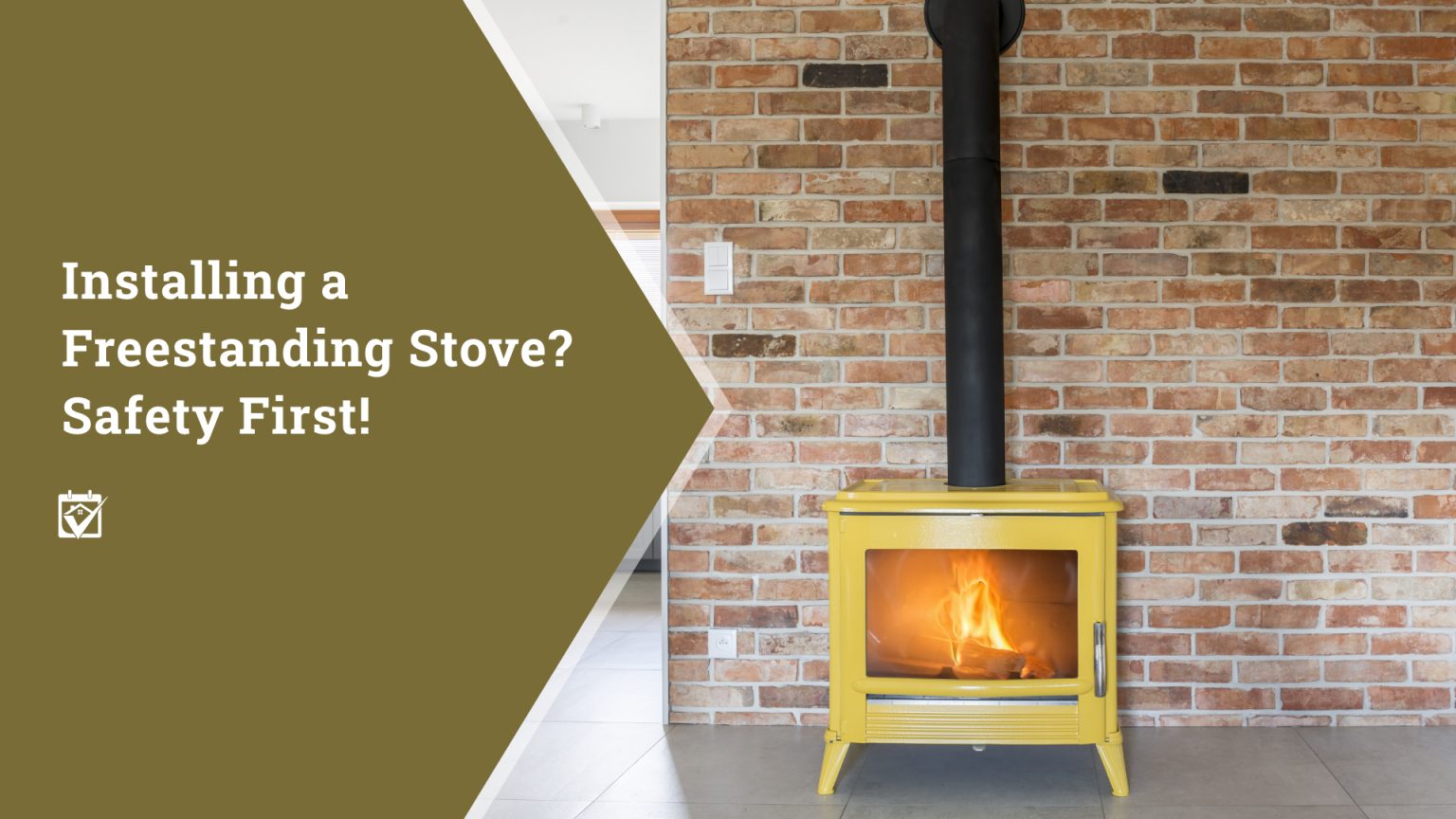
A woodburning stove can be a great addition to your home. Not only do they provide non-electric sources of heat during the winter, but many people enjoy the dry heat provided by woodburning stoves and similar heaters and they aren’t limited to the old-school cast iron stoves. Modern woodburning stoves come in a number of styles and forms, including pellet stoves that use small wooden pellets for a more controlled burn and more manageable heat options.
While there are certainly advantages to freestanding wood stoves, it’s important that they’re installed and used safely. It should go without saying that an improperly installed or operated wood stove can be very dangerous. To keep you, your family, and your home safe, here are some things that you should keep in mind when considering installing a freestanding wood stove or pellet stove.
Finding the Right Spot
Location is important when it comes to installing a wood stove. Obviously you’re going to want to put your stove in a location where you want heat, but there’s more to picking the right place than that. You’re going to need to find a place where your stove can provide that heat safely without creating a fire hazard or potentially creating a dangerous situation for people or pets moving through the room.
A big part of this involves finding an area with enough clearance for the stove. This is the amount of room around the stove that needs to be kept clear of flammable items and surfaces that might catch fire if they get too hot. This will differ from stove to stove, but it will be listed among the stove’s specs and other important information. The clearance indicates how far the stove needs to be placed from bare walls, and should also be considered with respect to furniture, walkways, and other areas where household items and inhabitants might be. If there isn’t enough room to give the stove the clearance it needs, you’ll have to find another location for it.
Installation Considerations
Exhaust and venting are two other safety considerations that you need to keep in mind when planning on installing a woodburning stove or pellet stove. Though you might think that these are essentially the same thing, they’re actually two different systems. The exhaust system is your chimney, while the vent is the pipe that connects your stove to the chimney.
While some older homes feature double-thick unlined brick chimneys that can be used if they’re carefully inspected for cracks and other damage, newer homes will likely need to have a new chimney installed. Ideally these should be factory built or professionally installed and lined, as you need to be sure that the chimney won’t leak or otherwise release noxious gases into the house. As for the stovepipe that’s used for the vent, it needs to be at least 24-gauge steel or similar metal and should be insulated. To avoid gas buildup, it needs to be as short as possible, and shouldn’t have more than two elbows.
